
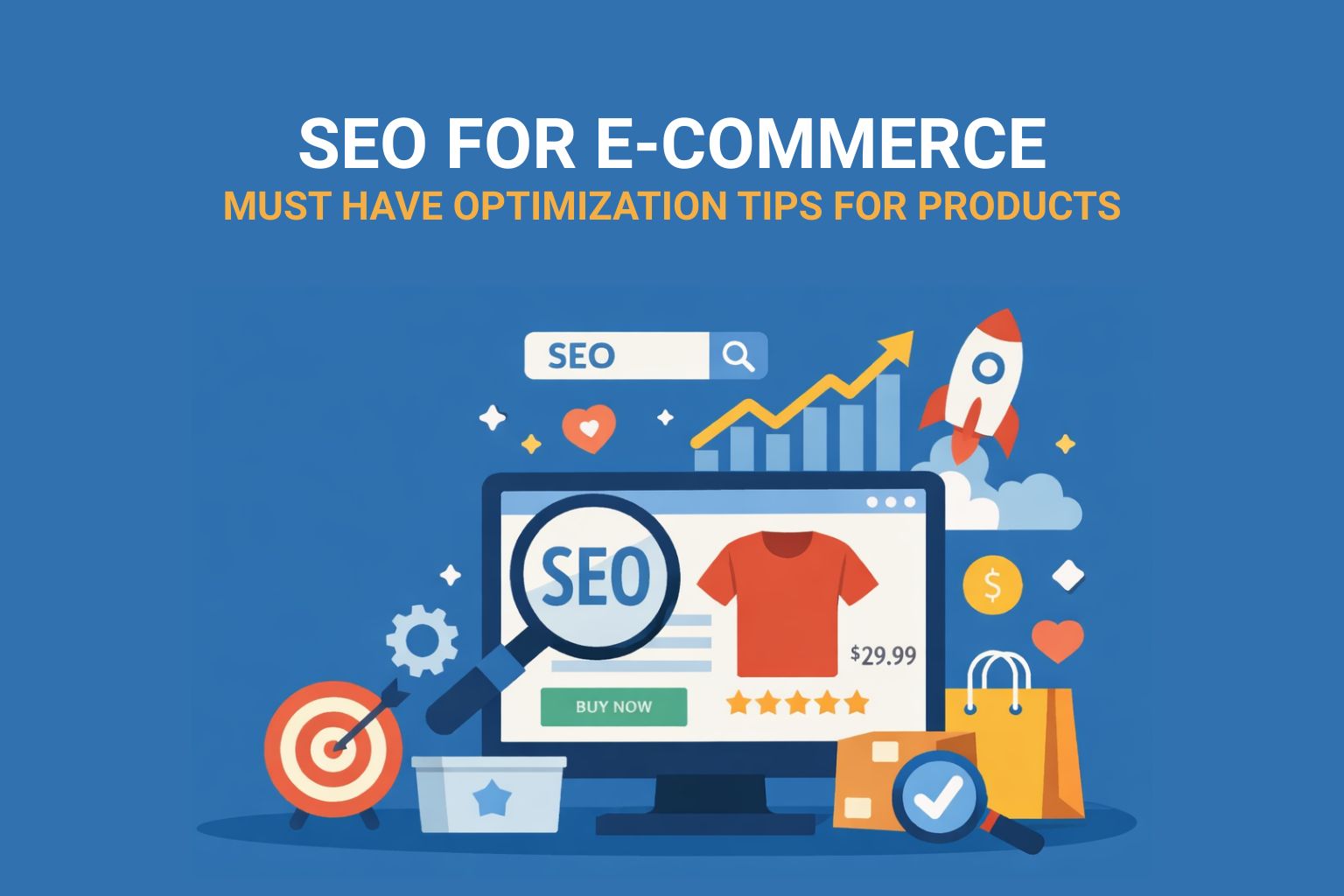
Running an online store is exciting, but it’s also highly competitive. Every day, thousands of new products are added to the internet. So, how do you make sure your products stand out? The answer lies in ecommerce SEO.
Product pages are where customers decide whether to buy or leave. That’s why focusing on product page SEO is one of the smartest moves you can make for your online store. For businesses looking to grow faster, partnering with reliable ecommerce SEO services in Nepal can help improve search visibility, attract high-intent buyers, and drive consistent sales.
In this blog, we’ll walk through practical and easy-to-follow tips that actually work, no jargon, no fluff, just proven strategies used by successful online stores.
Why Ecommerce SEO Is So Important for Product Pages
To begin with, product pages drive sales. However, if these pages don’t appear on search engines, potential customers may never even see them. That’s where SEO for online stores becomes crucial.
When product pages are properly optimized:
- They rank higher on Google
- They attract users who are ready to buy
- They offer a better user experience
As a result, good SEO doesn’t just bring traffic, it brings the right traffic.
Start with the Right Keyword Research
Before making any changes, you need to know what your customers are searching for. Instead of targeting only broad keywords, product pages should focus on keywords with clear buying intent.
For example, using keywords like ecommerce seo, product page seo, and specific product-related terms helps attract users who are closer to making a purchase.
Additionally, long-tail keywords such as “best running shoes for men” or “wireless headphones under budget” often convert better. Therefore, smart keyword research lays the foundation for successful optimization.
Create Clean and SEO-Friendly URLs
Next, let’s talk about URLs. Although they may seem small, URLs play an important role in SEO.
A good product page URL should be:
- Short and readable
- Easy to understand
- Relevant to the product
For instance, a URL like /leather-wallet-men is far better than /product?id=4589. Because of this, clean URLs help both users and search engines understand your page better.
Optimize Product Titles the Right Way
Your product title is one of the first things users and search engines notice. Therefore, it should clearly describe what you’re selling while remaining natural.
Here’s what works best:
- Include the main product keyword
- Keep it clear and simple
- Avoid keyword stuffing
A well-written title improves product page SEO and encourages users to click. Most importantly, it should sound human, not robotic.
Follow Product Description SEO Best Practices
This is where many online stores go wrong. Using copied or manufacturer-provided descriptions can seriously hurt your rankings. Instead, unique and helpful content always performs better.
Some effective product description SEO best practices include:
- Writing original descriptions in your own words
- Explaining how the product helps the customer
- Using bullet points for easy reading
- Naturally adding relevant keywords
In addition, focusing on benefits rather than just features makes the content more engaging. As a result, users stay longer and are more likely to convert.
Optimize Images Without Slowing Down Your Site
Images are essential for ecommerce, but unoptimized images can slow your site down. Since page speed affects rankings, image optimization is a must.
To optimize images:
- Compress them without losing quality
- Use descriptive file names
- Add meaningful alt text
For example, instead of naming an image IMG123.jpg, use something like sports-shoes-product-page.jpg. This small step supports ecommerce SEO and improves accessibility.
Improve Page Speed and Mobile Experience
Nowadays, most people shop on their phones. So, if your product pages are slow or hard to use on mobile, users will leave quickly.
To improve performance:
- Use fast and reliable hosting
- Optimize scripts and files
- Ensure your design is mobile-friendly
Because of this, faster pages not only rank better but also lead to higher sales.
Use Structured Data for Better Visibility
Structured data helps search engines understand your product details clearly. When used correctly, it can show extra information like price, availability, and reviews directly in search results.
This improves visibility and increases click-through rates. Therefore, structured data plays a strong role in on page SEO for ecommerce.
Strengthen Internal Linking Across Product Pages
Internal linking is often overlooked, yet it’s extremely powerful. Linking related products or categories helps users explore your store more easily.
Benefits of internal linking include:
- Better website navigation
- Improved crawlability
- Longer user sessions
As a result, internal links support both SEO and user experience.
Encourage Customer Reviews and Ratings
Customer reviews add trust and authenticity to your product pages. On top of that, they generate fresh content, which search engines love.
To make the most of reviews:
- Allow genuine customer feedback
- Display ratings clearly
- Use review schema where possible
Consequently, reviews improve product page SEO while boosting conversions.
Monitor Performance and Keep Optimizing
Finally, remember that SEO is an ongoing process. What works today may need improvement tomorrow.
Use tools like Google Search Console and Analytics to:
- Track keyword rankings
- Monitor traffic and conversions
- Identify pages that need improvement
By consistently refining your strategy, your ecommerce optimization tips will deliver long-term results.
In conclusion, strong ecommerce SEO starts with well-optimized product pages. By focusing on product page SEO, following proven product description SEO best practices, and improving overall on page SEO for ecommerce, you can increase visibility, traffic, and sales. Partnering with an experienced team like YSEO Agency can further help you implement the right strategies, avoid common mistakes, and achieve sustainable growth for your online store.
Contact us today to talk through your goals and get a customized strategy designed to deliver real results.