
Essential SEO Checklist for New Website Launch: Step-by-Step Guide
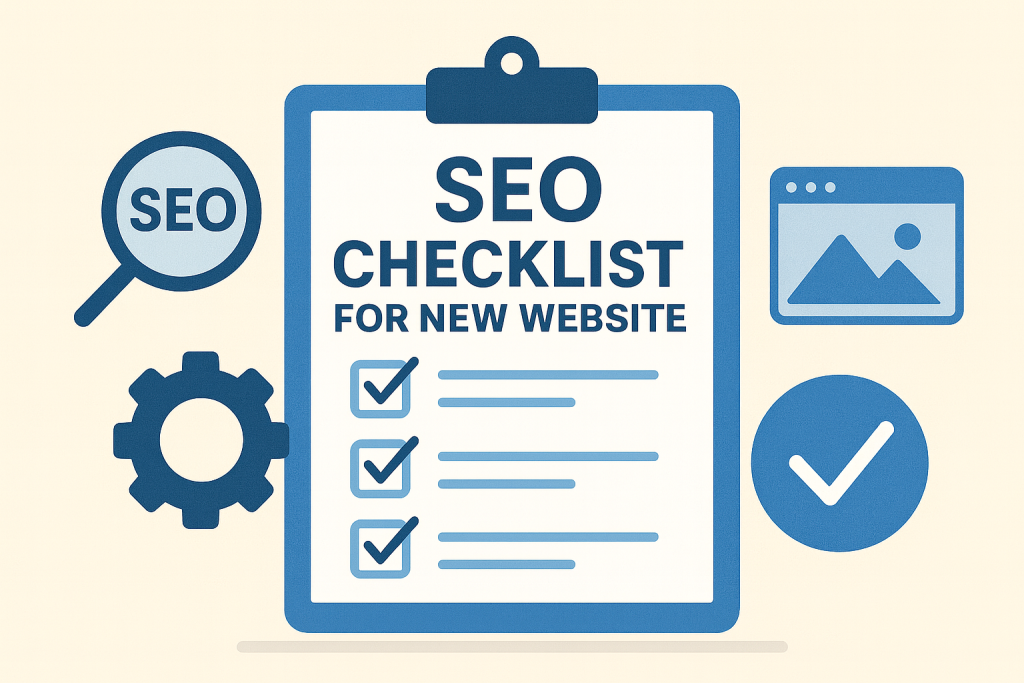
Launching a new website is exciting, but without proper SEO, even a well-designed site may struggle to attract organic traffic. Therefore, implementing an SEO checklist for new website launches is crucial, as it ensures your site is visible, crawlable, and optimized for search engines. This guide clearly covers the on-page SEO checklist, off-page SEO checklist, and technical SEO checklist, along with the latest SEO best practices 2026 you should follow from day one. If you need a professional strategy tailored to your business, consider premium seo service in Nepal for effective online growth. 1. Technical SEO Checklist for New Website A strong technical SEO foundation ensures search engines can crawl and index your site effectively. Consequently, addressing these points early prevents ranking issues later. Website Crawlability & Indexing Verify that important pages are not blocked in robots.txt. Remove any unintended noindex tags. Check indexing status in Google Search Console. Submit XML Sitemap Generate an XML sitemap. Submit it to Google Search Console for faster crawling. Improve Site Speed Compress images (preferably WebP) Minify CSS and JS files. Use a CDN for global content delivery. Aim for a loading time under 2 seconds. Mobile-Friendly Responsive Layout Since more than 60% of traffic is mobile, test your site via Google’s Mobile-Friendly Tool. Secure Website with HTTPS Install SSL to build trust and improve ranking signals. 2. On-Page SEO Checklist for New Website On-page optimization ensures your content is relevant, readable, and user-friendly. Moreover, it directly influences search ranking and engagement. Optimize Metadata Include your primary keyword naturally in the title and meta description. Keep the title under 60 characters and description under 155 characters. Proper Use of Headings Use one H1 per page. Organize content using H2, H3, and so on for clarity. Keyword Placement Include primary and secondary keywords in: URL First paragraph Subheadings (naturally) Image alt text Internal Linking Link to valuable service pages to guide user navigation and improve topical authority.Examples: For businesses with physical locations, consider Local SEO Services to enhance local visibility. If you have an online store, explore E-commerce SEO Services to drive qualified shopping traffic. For corporate and brand sites, check out Company Website SEO Services to improve brand presence. High-Value Content Write content that solves user queries and reflects real insight. Avoid duplication and keyword stuffing. 3. Off-Page SEO Checklist for New Website Off-page optimization builds authority and trust. Additionally, it signals credibility to search engines. Quality Link Building Contribute guest posts to reputable industry sites. Create valuable content like guides, visuals, and reports that naturally attract links. Social Media Signals Maintain brand presence on platforms where your audience is active. Local SEO Create or optimize your Google Business Profile. Keep NAP (Name, Address, Phone) details consistent across listings. 4. Content Strategy for New Websites A thoughtful content strategy helps your site grow steadily over time. Build Topic Clusters Create pillar pages supported by related posts to establish topic authority. Understand Search Intent Ensure content aligns with what users are actually trying to find. Update Frequently Refresh older content to maintain ranking strength. 5. SEO Best Practices 2026 Search engines are focusing even more on relevance and user experience. Create Helpful, Experience Driven Content Include personal insights, real examples, or step-by-step instructions. Improve Engagement Metrics Use visuals for clarity. Format content for easy scanning. Ensure fast load speed and smooth navigation. Avoid Manipulative SEO Tactics Focus on value, clarity, and user satisfaction first A structured SEO checklist for new website launches helps ensure long-term stability and ranking growth. By applying the technical, on-page, and off-page SEO steps effectively, your website becomes search-friendly and well-positioned from day one. Contact us to get started.
Google Algorithm Updates: How to Stay Updated and Improve Your SEO

Google is the backbone of the internet, and understanding google algorithm updates is essential for processing billions of searches every day. Every second, millions of users perform searches, and Google’s algorithms determine which websites appear at the top. Therefore, for marketers, SEO professionals, and website owners, knowing how these updates work is crucial for maintaining visibility and driving traffic. What Are Google Algorithms? Google algorithms are complex systems that determine the relevance and ranking of web pages in search results. When you perform a search, Google doesn’t manually review each site; it relies on algorithms to deliver the most accurate and helpful results to users. Thus, these algorithms consider hundreds of factors, including content quality, relevance, website authority, and user experience. The goal of every Google SEO algorithm change is to improve the user experience by showing the most relevant and trustworthy results. Understanding how to show Google algorithms work can help you optimize your website effectively and maintain consistent search visibility. A Brief History of Google Algorithm Updates Over the years, Google has introduced multiple algorithm updates, each refining how search results are evaluated. Therefore, here’s a breakdown of some significant milestones: Panda Update (2011): Panda focused on content quality, penalizing thin, duplicate, or low-value content. Websites with shallow content lost rankings, emphasizing the importance of informative and original content. Penguin Update (2012): Penguin targeted manipulative link-building practices. Spammy backlinks became a liability, prompting webmasters to focus on high quality, relevant links. Hummingbird (2013): Hummingbird improved semantic search, enabling Google to better understand user intent rather than relying solely on keywords. Mobile-Friendly Update (2015): With mobile searches growing, Google began prioritizing mobile optimized websites, highlighting the need for responsive design. RankBrain (2015): Google introduced AI powered algorithms that learn from search behavior, helping provide better results for complex queries. Medic Update (2018): This update affected health, wellness, and finance websites, emphasizing expertise, authority, and trustworthiness (E-A-T). Core Updates (Ongoing): Google frequently releases broad updates that affect multiple ranking factors, requiring continuous SEO monitoring and adjustments. Meanwhile, studying Google algorithm history allows you to anticipate changes and understand their impact on website performance How Google Algorithms Work? Understanding how Google algorithms work involves three main processes: Crawling: Google uses bots, also called spiders, to discover new and updated pages across the web. Indexing: Crawled pages are stored in Google’s index, a vast database that organizes content for retrieval during searches. Ranking: When a user searches, Google evaluates indexed pages against hundreds of ranking signals, including relevance, authority, and user experience, to determine the order of results. Each Google algorithm update can adjust the weighting of these factors, making some aspects of SEO more critical while reducing the influence of others. Key Google Ranking Factors to Focus On To succeed in search rankings, understanding Google ranking factors is vital. Some of the most influential include: 1. High Quality Content: Content must be original, relevant, and valuable. Avoid thin content and focus on answering user intent. 2. Backlinks and Authority: Links from authoritative and relevant websites boost your domain authority and trustworthiness. 3. User Experience (UX): Fast loading speeds, mobile responsiveness, and clear navigation improve both rankings and engagement. 4. Technical SEO: Proper meta tags, structured data, secure HTTPS, and XML sitemaps help Google crawl and index your site efficiently. 5. On-Page Optimization: Optimizing headings, keywords, internal linking, and multimedia elements ensures your content aligns with search queries. 6. Engagement Metrics: Bounce rate, dwell time, and click-through rate indicate user satisfaction, influencing rankings indirectly. Understanding Google SEO Algorithm Changes Google releases frequent updates, ranging from minor tweaks to significant changes that reshape search results. These updates can be categorized as: Core Updates: Broad changes that impact overall rankings across multiple industries. Spam Updates: Target manipulative SEO tactics like keyword stuffing or link farming. Local Updates: Adjust rankings for local search and Google Maps results. Product-Specific Updates: Some updates focus on particular verticals, such as shopping, travel, or news. By keeping track of Google SEO algorithm changes, you can proactively adjust your strategy, ensuring your site remains competitive. How to Stay Updated with Google Algorithm Updates SEO is constantly evolving, and staying informed is essential. Here’s how to stay ahead: 1. Follow Google’s Official Channels: Google regularly posts updates and guidance on the Google Search Central Blog. 2. Monitor SEO News Websites: Industry sites like Search Engine Journal, Moz, and SEMrush analyze updates and provide actionable insights. 3. Track Your Analytics: Sudden drops in traffic, changes in bounce rate, or ranking fluctuations can indicate algorithm impacts. 4. Join SEO Communities: Engage with experts in forums, LinkedIn groups, and Slack channels to discuss updates in real-time. 5. Use SEO Tools: Platforms like SEMrush, Ahrefs, and Google Search Console offer alerts, tracking, and analytics to monitor your site’s performance. Understanding how Google algorithms work and keeping up with Google algorithm updates is essential for any SEO strategy. By studying Google algorithm history, focusing on core ranking factors, producing high quality content, and staying proactive, you can maintain and improve your search visibility. SEO is dynamic, but with continuous learning and adaptation, your website can thrive despite Google’s evolving algorithms. By working with the best SEO company in Nepal and emphasizing relevance, authority, and user experience, you’ll stay ahead in the ever-changing digital landscape.
Robots.txt and Sitemap: How to Properly Configure for SEO
If you want your website to rank higher on search engines in Nepal, understanding robots.txt and sitemaps is crucial. These two tools guide search engines on how to crawl and index your website, helping improve visibility and organic traffic. In this blog, we’ll explain how to configure robots.txt for SEO properly and optimize your sitemap for the best results. What is Robots.txt? Robots.txt is a simple text file placed in your website’s root folder that tells search engine bots which pages to crawl and which to ignore. Proper configuration ensures that search engines index the most important pages while avoiding duplicate or irrelevant content. For example, you might want search engines to avoid admin pages, login pages, or internal search result pages. Incorrect configuration can accidentally block essential pages, harming your website’s SEO performance. How to Configure Robots.txt for SEO in Nepal Here’s a step-by-step guide to set up robots.txt for SEO: Locate or Create the File: Your robots.txt file should be located at yourdomain.com/robots.txt. If it doesn’t exist, create it in your root directory. Block Irrelevant Pages: Use the Disallow command to prevent search engines from crawling unnecessary pages. Example:User-agent: *Disallow: /admin/Disallow: /login/ Allow Important Pages: Ensure your important pages are accessible with the Allow command if needed. Reference Your Sitemap: At the bottom of the file, include the location of your sitemap: Sitemap: (https://yourdomain.com/sitemap.xml) This setup helps search engines crawl your website efficiently and index the pages that matter most for your audience in Nepal. What is a Sitemap? A sitemap is an XML file listing all the important pages on your website. It acts as a roadmap for search engines, helping them discover and index your content faster. While robots.txt tells bots what to avoid, a sitemap highlights the pages you want indexed. How to Optimize Your Sitemap for SEO A well-optimized sitemap helps search engines discover and index your content faster, which is essential for boosting your website’s visibility in Nepal. Here’s how to make your sitemap work effectively: Generate an XML Sitemap: Use CMS plugins like Yoast SEO, Rank Math, or online sitemap generators to create an XML sitemap. For custom-built websites, you can manually create a sitemap using standard XML format. Make sure the sitemap is structured logically, with important pages easily accessible to search engines. Include Only Valuable Pages: Focus on pages that provide real value to your visitors. Avoid adding thin-content pages, duplicate content, or pages with little SEO potential. Examples of valuable pages include service pages, product pages, blog posts, and high-quality landing pages. This ensures search engines spend their crawl budget on pages that matter most. Organize Your Sitemap: If your website is large, consider creating multiple sitemaps for different sections, such as blog posts, products, and services. Then, link them together in a sitemap index file. This approach makes it easier for search engines to navigate your site and ensures every page is crawled efficiently. Submit to Google Search Console and Bing Webmaster Tools: Once your sitemap is ready, submit it to search engines. Google Search Console and Bing Webmaster Tools allow you to submit sitemaps and monitor crawling issues. This helps search engines discover new content faster and can improve your site’s indexing rate, especially for websites targeting local searches in Nepal. Keep It Updated Regularly: Every time you add new content, remove outdated pages, or update existing pages, make sure your sitemap reflects these changes. An updated sitemap signals search engines that your site is active and maintains accurate indexing, which can positively impact SEO. Use Proper URLs and Canonical Tags: Ensure all URLs in your sitemap are absolute (e.g., https://yourdomain.com/page) and match your preferred domain version (www vs non-www). Also, make sure canonical tags are set correctly to avoid duplicate content issues. Monitor and Fix Errors: Regularly check your sitemap for errors such as broken links or non-indexable pages. Tools like Google Search Console provide reports on pages that couldn’t be crawled, helping you fix issues promptly. Why Robots.txt and Sitemap Matter for SEO in Nepal For websites targeting Nepal, proper robots.txt and sitemap configuration: Improves Crawl Efficiency: Search engines focus on pages that matter. Prevents Indexing of Sensitive Pages: Protect private or irrelevant content from appearing in search results. Boosts Local SEO: Helps Google discover your website faster, improving local search visibility. Enhances User Experience: Users are directed to relevant pages, increasing engagement and rankings. If you’re unsure how to configure these files for optimal results, a professional SEO agency in Nepal can help set everything up correctly. Common Robots.txt and Sitemap Mistakes Even small mistakes in your robots.txt file or sitemap can negatively impact your SEO. Many website owners unintentionally block important pages or include unnecessary content, which can reduce crawl efficiency and hurt rankings. Here are some common mistakes to watch out for: Blocking your entire website accidentally: Prevents search engines from indexing any page. Forgetting to reference the sitemap in robots.txt: Search engines may miss important pages. Including low-quality or duplicate pages in the sitemap: Wastes crawl budget and can harm SEO. Failing to update the sitemap after content changes: Search engines won’t see your newest or updated pages. Avoiding these mistakes ensures search engines crawl and index your website efficiently, giving your site a better chance to rank higher in Nepal. Conclusion Configuring robots.txt for SEO and maintaining an updated sitemap are essential for improving website visibility in Nepal. They guide search engines, protect sensitive content, and enhance crawl efficiency. For businesses or blogs aiming to grow online, proper setup can make a significant difference in organic traffic and search rankings. For expert guidance, connect with a trusted SEO agency in Nepal to ensure your website is fully optimized for search engines.
Off-Page SEO Explained
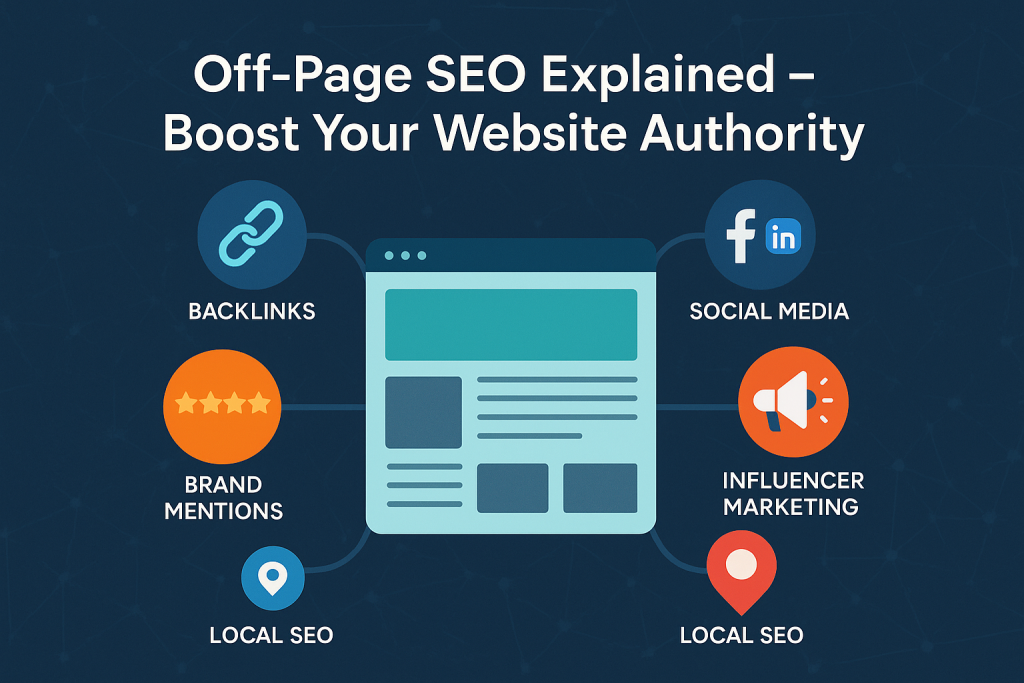
Off-page SEO includes all the actions taken outside your website to influence your rankings on search engines. Unlike on-page SEO, which focuses on website content and structure, off-page SEO builds trust and authority through external factors such as backlinks, social signals, brand mentions, and reputation management. As a trusted SEO agency in Nepal, we help businesses boost their online presence through proven off-page strategies. How Off-Page SEO Improves Your Website Ranking Effective Off-Page SEO brings several benefits that directly impact your search performance: Increased Domain AuthoritySearch engines view sites with strong backlinks and positive brand signals as more trustworthy. A higher domain authority makes it easier for your pages to rank for competitive keywords. Enhanced Brand VisibilityOff-Page SEO, through strategies like guest posting, influencer collaborations, and media mentions, puts your brand in front of a wider audience. This helps build recognition and positions your business as an authority in your industry. Higher Organic TrafficWhen your website ranks higher and gains credibility, more people discover your content naturally. Quality backlinks and external promotions drive targeted visitors, increasing the chances of conversions and long-term growth. The Importance of Link Building Guest Blogging and Outreach Guest posting on relevant, high-authority websites helps you gain backlinks and position your brand as an industry expert. Broken Link Building Finding broken links on other websites and offering your content as a replacement is an effective way to earn high-quality backlinks. Resource Page Link Building Earning placement on resource or reference pages can help you get valuable backlinks from niche-relevant sites. Social Media Engagement and Its SEO Impact While social media signals may not be direct ranking factors, sharing your content on platforms like Facebook, LinkedIn, and Instagram increases visibility, drives traffic, and can attract backlinks organically. Brand Mentions and Digital PR Unlinked brand mentions still carry weight for SEO. Monitoring mentions and converting them into backlinks, along with digital PR efforts like media features and press releases, enhance your brand’s authority and online presence. Online Reviews and Reputation Management Encouraging customer reviews on platforms like Google Business Profile and responding actively to feedback improves both your reputation and local SEO rankings. Content Marketing Beyond Your Website Creating infographics, podcasts, videos, and guest articles helps you build backlinks, drive traffic, and establish authority in your niche. Influencer Marketing and Community Engagement Partnering with influencers and participating in niche communities like Reddit, Quora, and industry forums builds relationships, trust, and can lead to organic backlinks. Local SEO and Business Citations Listing your business in local directories, maintaining consistent NAP details, and optimizing your Google Business Profile enhances local search rankings and drives targeted traffic. Advanced Off-Page SEO Strategies HARO and Media Outreach Using platforms like Help a Reporter Out (HARO) can help you get media mentions and high-authority backlinks. Q&A Participation Answering questions on platforms like Quora or Reddit with valuable insights builds authority and referral traffic. The Skyscraper Technique Find top-performing content in your niche, create something better, and promote it to earn quality backlinks. Influencer Marketing and Audience Engagement Both influencer marketing and community participation are effective Off-Page SEO strategies because they help you reach targeted audiences, build trust, and earn organic backlinks. Collaborating with Influencers Influencers already have established trust with their audience. When they mention or promote your brand, it: Drives high-quality traffic to your website. Increases brand credibility through association with trusted voices. Can lead to natural backlinks if influencers write blogs, reviews, or case studies featuring your brand. Building Authority in Online Communities Actively engaging in relevant communities—like industry-specific forums, Reddit, Quora, or Facebook groups—helps you: Share valuable insights and establish expertise. Drive referral traffic through thoughtful, non-spammy contributions. Build relationships that can lead to organic backlinks from other community members or bloggers. Why Choose Y SEO Agency in Nepal for Off-Page SEO Services? Choosing the right partner for Off-Page SEO can significantly impact your website’s growth. Y SEO Agency, a leading SEO agency in Nepal, specializes in building authority and improving rankings through ethical and result-driven strategies. By focusing on techniques like quality link building, digital PR, influencer collaborations, and local business citations, the agency ensures your brand gains visibility on both local and global levels. These strategies not only boost your search engine rankings but also help establish long-term credibility for your business. What makes Y SEO Agency stand out is its customized approach. Every business has unique goals, and the agency designs tailored Off-Page SEO campaigns that align with your specific needs—whether it’s dominating local searches or expanding internationally. With expertise in advanced methods like HARO outreach, the Skyscraper Technique, and content promotion, Y SEO Agency helps businesses achieve sustainable growth while following white-hat SEO practices that keep your website safe from penalties.
Best SEO Practices that Every Nepali Website Should Follow
In Nepal’s fast-growing digital economy, simply having a website isn’t enough. To get discovered online, rank on search engines like Google, and attract real customers, your site must follow modern SEO Best Practices. Whether you own a local business, run a blog, or manage an eCommerce store, optimizing your site for search engines is key to long-term growth. As a trusted SEO agency in Nepal , Y SEO Agency works with businesses across the country to help them climb the rankings, generate more traffic, and convert visitors into loyal customers. In this blog, we’ll walk you through the best SEO strategies tailored for Nepali websites. Focus on Local and Language-Based Keywords Most people in Nepal search with regional intent—like “best momo in Kathmandu” or “laptop repair in Chitwan.” That’s why integrating local keywords across your homepage, service pages, and blogs is essential. Tools like Google Keyword Planner or Ubersuggest can help you find what Nepali users are actually searching for. Also, consider incorporating Nepali language keywords (in Devanagari script) depending on your audience. If your readers prefer Nepali content, optimize accordingly to appear in both Nepali and English search results. Improve Site Speed and Mobile Optimization A slow-loading website hurts both user experience and rankings. Make sure your site loads in under 3 seconds and performs well on smartphones and tablets. This can be done by: Compressing images Using fast and reliable hosting Minimizing CSS and JavaScript Enabling browser caching and CDN Mobile-friendliness is especially important since most users in Nepal access the internet via mobile. Use Clear Title Tags, Meta Descriptions & Headings Each page on your site should have: A unique, descriptive title tag (under 60 characters) A compelling meta description (under 160 characters) Logical heading structure (H1, H2, H3) for easy scanning For example, if you’re targeting the keyword SEO Best Practices, include it in your title tag, your H1, and at least once in the first paragraph. Build Quality Backlinks and Local Listings Backlinks—links to your site from other websites—are a major ranking factor. Get featured in: Nepali business directories Local blogs or online magazines News websites in Nepal Niche-relevant forums Also, make sure your NAP (Name, Address, Phone) is consistent across all platforms including your website, Google Business Profile, and social media. Publish Consistent and Localized Content Search engines love fresh, relevant content. Create blog posts, guides, or FAQs that answer your audience’s real questions. Some ideas include: “Top SEO Mistakes Nepali Businesses Make” “Guide to Google Ranking for Local Businesses in Nepal” “SEO Best Practices for eCommerce in Nepal” Localized content not only boosts rankings but also builds trust with your audience. Keep Your Site Clean and User-Friendly User experience (UX) plays a growing role in SEO. Avoid cluttered layouts, hard-to-read fonts, or outdated designs. A clean, easy-to-navigate site increases engagement and reduces bounce rate—signals that Google loves. Make sure your site has: Easy-to-find contact info Clickable phone numbers A working contact form Clear calls to action (like “Call Now” or “Get Quote”) Track and Adjust Your Strategy Use tools like Google Analytics and Google Search Console to measure your website’s performance. Monitor metrics like: Organic traffic Bounce rate Page speed Top-performing keywords Backlink growth SEO isn’t a one-time task. It’s a long-term strategy that requires regular updates and refinements. Final Thoughts Implementing these SEO Best Practices is not just about ranking higher on Google—it’s about building a strong digital presence that helps your business grow in Nepal’s competitive market. From optimizing local keywords to improving technical performance, every detail matters. At Y SEO Agency, we help businesses like yours stay ahead of search engine trends. As a result-driven seo agency in Nepal, our team is dedicated to crafting personalized strategies that work for Nepali websites—big or small. Need help implementing the right SEO techniques for your site? Let’s start optimizing and getting results today.
Essential On-Page SEO Techniques
If you want your website to rank higher on search engines, mastering the right On-page SEO techniques is a must. As a trusted SEO agency in Nepal, we know that on-page optimization lays the foundation for long-term search visibility and organic traffic growth. Let’s dive into the essential on-page SEO strategies that every website owner should implement. 1. Meta Titles and Descriptions Your page’s meta title and description are the first things people see on search engine results pages. They must include your main keywords naturally and be crafted to attract clicks. A well-optimized title with a clear description can improve your click-through rate and support your SEO efforts. 2. Keyword Research and Placement Effective on-page SEO begins with thorough keyword research. Identify primary and secondary keywords related to your business. Strategically place them in the URL, page title, headings, meta tags, and throughout the content—but always naturally. Keyword stuffing is outdated and may harm your rankings. 3. Proper Heading Structure Using headings (H1, H2, H3, etc.) in a clear hierarchy helps both users and search engines navigate your content. A single H1 tag for the main title, followed by well-structured subheadings, improves readability and keyword relevance. 4. URL Optimization Clean and concise URLs are more SEO-friendly. Keep them short, include relevant keywords, and avoid unnecessary numbers or characters. A user-friendly URL is not only better for SEO but also for user experience. 5. Image Optimization Images should always be optimized with descriptive file names and alt text that includes your target keywords. This not only improves accessibility but also allows your images to rank in Google Image Search. Don’t forget to compress images for faster page loading. 6. Internal Linking and Site Structure Internal links guide visitors through your website and help search engines crawl your pages effectively. Linking related pages with descriptive anchor text distributes page authority and improves overall SEO performance. 7. High-Quality Content and Readability Content is at the heart of on-page SEO. Focus on creating valuable, engaging, and original content that answers users’ queries. Make it easy to read with short paragraphs, bullet points, and clear headings. Well-written content keeps visitors engaged and encourages sharing. 8. Use of Multimedia and Visual Elements Including multimedia like videos, infographics, and charts enhances user experience and can increase the time spent on your page. Ensure all multimedia is optimized for fast loading and is relevant to your content topic. 9. Page Speed and Mobile Responsiveness Google prioritizes websites that load quickly and perform well on mobile devices. Optimize your website’s speed by compressing files, using efficient hosting, and minimizing unnecessary code. Always design your site with a mobile-first approach to meet user expectations and SEO standards. 10. Schema Markup and Structured Data Adding schema markup helps search engines better understand your website content, which can improve your chances of appearing in rich snippets and featured results. Use appropriate structured data types for articles, products, or local businesses to enhance visibility. 11. Canonical Tags and Duplicate Content Prevention Using canonical tags ensures that search engines index the preferred version of your page, preventing duplicate content issues. Maintain clean, unique content across your website and monitor for accidental duplications. 12. Monitoring Performance and Continuous Optimization SEO is an ongoing process. Use tools like Google Analytics, Search Console, and SEO audit platforms to monitor your site’s performance. Regularly update your content, fix errors, and optimize new pages to stay ahead of competitors. 13. Local SEO and Google Business Profile If you are targeting local customers, optimize your website for local SEO. Claim and update your Google Business Profile, add local keywords, and encourage customer reviews. This enhances your presence in local search results and maps. 14. Featured Snippet Optimization Format your content with clear answers, bullet points, or lists to increase the chances of being featured in Google’s answer boxes. This can boost your visibility even if you are not ranking first organically. 15. External Linking to Authority Sources Linking to reputable, relevant websites adds credibility to your content and can strengthen your SEO. Make sure your external links enhance the value of your page and open in new tabs for better user experience. Common On-Page SEO Mistakes to Avoid Even experienced website owners can make mistakes that hurt their SEO. Some common on-page SEO mistakes include: Keyword Stuffing: Overusing keywords unnaturally. Missing Alt Text on Images: Ignoring image optimization. Ignoring Mobile Responsiveness: Failing to make your website mobile-friendly. Duplicate Content: Having multiple pages with the same or similar content. Slow Loading Speed: Neglecting to optimize for faster page loads. Poor Internal Linking: No clear structure or broken internal links. Avoiding these mistakes ensures your on-page SEO efforts are effective and future-proof. On-Page SEO vs. Off-Page SEO: What’s the Difference? On-Page SEO Off-Page SEO Focuses on optimizing elements within your website Focuses on external factors outside your website. Includes content, meta tags, URL structure, internal links. Involves backlinks, social media signals, brand mentions. Direct control over optimization. Indirect influence through partnerships, PR, and outreach. Conclusion Mastering these essential on-page SEO techniques is the first step toward achieving better rankings, increased traffic, and a stronger online presence. As a dedicated SEO agency in Nepal, we help businesses implement effective on-page strategies tailored to their goals. Whether you’re optimizing an existing website or starting fresh, applying these best practices will give you a competitive edge in search engine rankings.
Local SEO Explained
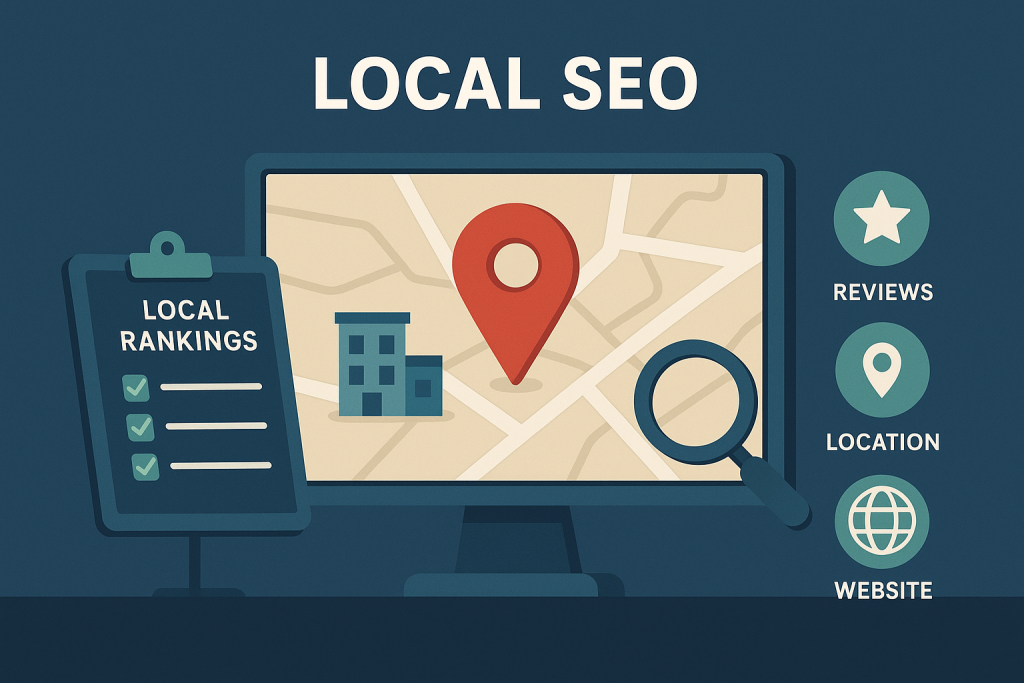
Local SEO is the practice of optimizing your online presence to attract more business from relevant local searches. These searches happen on Google and other search engines, often with keywords like “restaurant in Kathmandu” or “travel agency near me.” For Nepali businesses, local SEO is the key to being found by customers in your area. Why Local SEO Matters for Nepali Businesses Boost Local Visibility Most users in Nepal search for services and businesses near them. Local SEO ensures your business shows up in Google Maps, local packs, and mobile searches. Build Trust & Credibility A complete and verified Google Business Profile, paired with positive customer reviews, builds credibility and increases customer confidence. Attract Ready-to-Buy Customers People searching locally often have high purchase intent. Local SEO helps you reach users who are already looking for what you offer. Stay Ahead of Local Competition Many small businesses in Nepal haven’t optimized for local search yet. This is your chance to outrank them and dominate your local area. Cost-Effective Marketing Compared to traditional advertising, local SEO offers long-term results without recurring costs. It’s a smart investment for long-term visibility. Key Components of Local SEO Nepal Google Business Profile (GBP) Claim and verify your profile Add accurate business name, address, phone number, hours, services, and images Update regularly and respond to customer reviews Use Local Keywords Add location-based keywords like “best café in Pokhara” or “best seo company in Nepal” Include city, district, or neighborhood names in your content and meta tags On-Page Optimization Use local keywords in title tags, meta descriptions, headers, and page content Create location-specific pages or blog posts about events or offers in your area Local Citations & Directories Submit your business to local listings like Nepal Yellow Pages, Nepali B2B sites, and HamroBazar Keep your name, address, and phone number consistent everywhere Reviews & Ratings Ask happy customers to leave reviews on Google Respond to all reviews—positive or negative More positive ratings = higher trust and better ranking Build Local Backlinks Partner with local bloggers, event pages, or regional media for backlinks Local backlinks build authority and improve search rankings Avoiding Local SEO Mistakes Even with the right tools, many Nepali businesses unknowingly make simple mistakes that hurt their local visibility. Here are key errors to avoid when optimizing for Local SEO Nepal: Incomplete or Unverified Google Business Profile Not verifying your Google profile limits your visibility on Maps and local searches. Always verify and complete every section—description, hours, categories, and images. Inconsistent NAP (Name, Address, Phone) If your contact info differs across platforms (website, Facebook, directories), it confuses Google. Use the exact same format of your business details everywhere. Ignoring Customer Reviews Not collecting or responding to reviews can negatively affect trust and local rankings. Ask satisfied customers to leave reviews—and always reply, even to criticism. No Local Keywords on Your Website Many businesses forget to include city or area names on their website. Use terms like “restaurant in Bhaktapur” or “digital agency Kathmandu” in your titles, content, and image alt text. Not Tracking Performance Without tools like Google Business Profile Insights or Search Console, you won’t know what’s working.Monitor impressions, clicks, and calls to adjust your strategy. Using a Generic or Global Strategy What works in other countries might not work in Nepal.Always localize content, language, and search intent to match Nepali users. Final Summary Local SEO Nepal is more than just ranking—it’s about connecting with your real, local customers. By optimizing your Google profile, website, and local presence, you can: Show up when and where it matters most Build community trust and brand loyalty Get more calls, walk-ins, and website visits Grow without relying only on ads Start optimizing your local presence today—and let your neighborhood find you first.
How Does SEO Work? Explained for Beginners
Search Engine Optimization (SEO) is the process of improving your website so that search engines like Google can better crawl, index, and rank your content for relevant queries. Understanding how SEO works helps beginners see why it matters—and how it drives organic traffic, leads, and sales. Working Process of SEO Crawling & Indexing – How Search Engines Discover You Search engines deploy crawlers (“bots”) to explore the internet. They follow links and read your pages, then store (index) that content for future searches. To ensure proper indexing: Use well-structured sitemaps and robots.txt Maintain internal link structure Avoid duplicate content Partnering with an experienced SEO agency in Nepal can help ensure your website is technically optimized for crawling and indexing, improving your visibility in search results. Ranking Algorithms – How Search Engines Evaluate You Once indexed, pages are ranked based on multiple factors: Keywords: signals relevance to queries On-page elements: title tags, headers, meta descriptions, alt-text Content quality & EEAT (Expertise, Experience, Authority, Trust) Backlinks: quality inbound links act as “votes” Technical factors: site speed, mobile-friendliness, security Keyword Research – Finding What Users Search Beginner’s step: find terms your audience uses. Tools like Google Keyword Planner, Ahrefs, or Semrush help discover relevant and high-value keywords. Start with your main phrase “How SEO Works”, then expand into long-tail/local queries like “how SEO works in Nepal”. On‑Page Optimization – Making It Visible and Understandable Optimize individual pages by including keywords and improving relevancy: Use the target keyword in the title tag, H1, and meta description Structure content with subheadings and bullets Add descriptive alt text for images Keep URLs clean and include keywords Content Creation & EEAT – Building Authority High-quality, valuable content improves rankings . Focus on EEAT by showing expertise and trustworthiness. Include details, case studies, and expert quotes to enhance content credibility. Technical SEO – Ensuring Smooth Operation Technical SEO ensures your site is accessible: Fast loading and mobile-responsive design Secure connection via HTTPS Proper sitemap, structured data, and canonical tags Link Building – Gaining Authority Backlinks from relevant, reputable sites boost your perceived authority. Use white-hat strategies like guest posts, partnerships, and local directories. Tracking & Analytics – Measuring “How SEO Works” Use tools like Google Analytics and Search Console to track traffic, rankings, bounce rates, and conversions. Adjust strategies based on data insights. Emerging Trend: AEO & AI‑Driven Search In 2025, Answer Engine Optimization (AEO) and AI are transforming search . Optimize for AI assistants and voice search using conversational Q&A formats. How Search Engine Algorithms Evolved Over Time Search engines like Google have gone through major updates over the years. Here’s how SEO has changed: Before (Old SEO) Now (Modern SEO) Keyword stuffing Intent-based, quality content Ranking by exact match keywords Ranking by relevance & search behavior Focus on backlinks only Focus on authority, content, UX & EEAT Static algorithm updates AI-driven, real-time updates Key Algorithm Updates: Panda (2011) – Penalized thin/duplicate content Penguin (2012) – Fought spammy backlinks Hummingbird (2013) – Better understanding of intent RankBrain (2015) – Google’s AI learns user behavior Helpful Content (2022) – Prioritizes real, people-first content Local SEO Tactics (Great for Nepali Small Businesses) Local SEO helps businesses show up in “near me” searches or city-specific queries. It’s essential for shops, restaurants, clinics, and service providers across Nepal. What to focus on: Google Business Profile Claim & verify your listing Add business hours, phone, photos, map pin Keep info consistent across platforms Use Local Keywords e.g., “SEO company in Kathmandu” or “best momo in Lalitpur” Mention nearby landmarks, neighborhoods, districts NAP Consistency Make sure Name, Address, Phone match everywhere: website, directories, Facebook, etc. Customer Reviews Encourage happy customers to leave 5-star reviews Respond to reviews politely (good or bad) Get Listed in Local Directories Register on Nepal Yellow Pages, NepalB2B, etc. Join local Facebook groups or business networks Final Summary How SEO Works involves crawling, indexing, ranking based on relevance and authority. Effective SEO relies on keyword research, on-page and technical improvements, quality content, and strong backlinks. Monitor performance and adjust—especially as AI and voice search change the game. Beginners in Nepal can gain an edge by tailoring strategies to local contexts and emerging trends.
Importance of SEO : Why It’s Crucial for Small Businesses in Nepal
Search Engine Optimization (SEO) refers to tactics and strategies that improve your website’s ranking in unpaid (organic) search results. For small businesses in Nepal, partnering with a trusted SEO company in Nepal is essential to fully understand the importance of SEO and apply it effectively. It helps expand your online visibility, build brand credibility, attract local clientele, and drive sustainable growth—without the heavy costs of traditional advertising. Boost Online Visibility & Reach Capture local and broader audiences: SEO helps small businesses in Nepal appear in search queries like “best hotel in Pokhara” or “Kathmandu travel agent,” breaking geographic barriers and enabling national or even international reach. Rank higher in search results: The top five Google results take over 67 % of clicks—positioning your website at the top means more exposure and traffic . Cost‑Effective, Long‑Term Marketing High ROI without paid ads: SEO drives free, targeted traffic. According to Investopedia, small businesses can improve search traffic and customer acquisition more affordably than with traditional ads. Sustainable results: SEO efforts build momentum—well‑optimized content can attract traffic for months or years . Builds Credibility & Trust Authority in your niche: Ranking highly builds trust—customers see you as experts, even if they haven’t heard of your brand before. Enhanced user experience: Google rewards fast, mobile-friendly, well-structured websites—benefiting both SEO and customer satisfaction. Drives Local Customers & Foot Traffic Local SEO for “near me” searches: With rising smartphone usage in Nepal, local searches like “kathmandu café near me” bring customers directly to your door. Google Business Profile & reviews: Claiming and optimizing your profile and encouraging customer reviews boosts visibility and trust. Recommended SEO Workflow for Nepal’s Small Businesses This SEO Workflow visual provides a clear roadmap for optimizing a website’s visibility in search engines, especially useful for Nepali businesses. Audit, using tools like Google’s PageSpeed Insights and Search Console to identify technical issues and performance gaps. Keyword Mapping ensures relevant search terms are strategically assigned to the right landing pages. On-Page & Technical phase involves optimizing elements like titles, page speed, schema, and mobile responsiveness. Create Content focuses on delivering locally relevant materials—such as FAQs and case studies—to engage your target audience. Local SEO strengthens your presence in local search by optimizing your Google Business Profile and building trusted local citations. Together, these five steps create a solid foundation for sustainable SEO success. Overcome Common Nepal‑Specific Challenges Level Playing Field:In Nepal, many small businesses have yet to fully leverage the power of SEO. This presents a unique opportunity for early adopters. By focusing on niche markets and targeting long-tail keywords, your business can gain a significant competitive edge—capturing traffic that others are missing and establishing authority in your space before the competition catches up. Mobile‑First Nepal:With over half of all online searches now happening on mobile devices, optimizing your website for mobile users is no longer optional—it’s essential. A mobile-friendly site not only improves user experience but also ensures your business is visible to the majority of local searchers across Nepal, increasing your chances of engagement and conversion. When to Consider a Professional SEO Partner? For Nepal’s small businesses, SEO isn’t just a marketing tactic—it’s a vital investment for growth, trust-building, and competitiveness. By focusing on the Importance of SEO, you can generate long-lasting visibility, drive local traffic, and position your brand for long-term success. Budget and capacity limitations can delay consistent SEO. Hiring a dedicated SEO company in Nepal can bring expertise in technical setup, content creation, and campaigns—just be sure they follow ethical, results-driven practices and can demonstrate success stories. Y SEO can help your business elevate in this competitive world. Contact us for Free Consultation!!!
What is SEO? A Complete Guide for Nepali Businesses
Search Engine Optimization (SEO) is the process of optimizing your website—its technical setup, content relevance, and authority—to improve rankings in organic (unpaid) search engine results like Google. In Nepal in 2025, working with a reliable SEO company in Nepal remains one of the most cost-effective ways for businesses to enhance their technical SEO, boost content relevance, and build domain authority — helping them reach both local customers and global audiences effectively Why SEO Matters for Nepali Businesses Nearly 41% of a website’s visits come from search engines. For Nepal-focused businesses, that percentage is even higher when it comes to mobile users and local searches. With the increasing use of smartphones and voice search across the country, SEO is no longer optional—it’s essential. Whether you operate in tourism, run an e-commerce store, manage an educational institution, or offer professional services, a strong SEO strategy ensures your business appears where your customers are searching. It helps you stay ahead of the competition, drive targeted traffic, and build lasting visibility in a crowded digital marketplace. Investing in SEO today means securing long-term growth and online credibility for your business in Nepal. How SEO Works: Key Components 1. Keyword Research Discover what Nepali audiences search for—both in English and Nepali. Tools like Google Keyword Planner, SEMrush, or RankTracker can help. Start with core questions like “What is SEO” and expand to local phrases: “Kathmandu trekking agency”, “seo company in nepal”. 2. On-Page SEO Optimize title tags, meta descriptions, headers (H1/H2…), and URLs. Use your target keyword “What is SEO” naturally in these elements. Include images with alt-text in both Nepali and English. 3. Technical SEO Ensure your site is mobile-friendly and fast (mobile-first indexing), secure (HTTPS), with a clean structure (XML sitemap, robots.txt). This is crucial in Nepal, where users access content mainly from smartphones . 4. Local SEO Claim and optimize your Google Business Profile (GBP), register on Nepal directories like Nepal Yellow Pages, and include local pages or city-targeted content . Highlight your seo company in nepal page to drive internal traffic and leads. 5. Content Quality & E‑E‑A‑T Google prioritizes Experience, Expertise, Authoritativeness, and Trustworthiness. Use real Nepali case studies, expert voices, and thorough content—especially for topics like “What is SEO.” 6. Link Building Acquire backlinks from high-quality, relevant sites (Local blogs, news, business associations). Use white-hat tactics like guest posting, partnerships, and press releases . 7. AI & Voice Search Optimization 2025 SEO increasingly involves AI‑SEO and Answer Engine Optimization (AEO) to appear in AI-powered snippets and voice results. Write conversational Q&A blocks targeting spoken queries like “What is SEO?” Recommended SEO Workflow for Nepali Businesses This SEO Workflow visual provides a clear roadmap for optimizing a website’s visibility in search engines, especially useful for Nepali businesses. Audit, using tools like Google’s PageSpeed Insights and Search Console to identify technical issues and performance gaps. Keyword Mapping ensures relevant search terms are strategically assigned to the right landing pages. On-Page & Technical phase involves optimizing elements like titles, page speed, schema, and mobile responsiveness. Create Content focuses on delivering locally relevant materials—such as FAQs and case studies—to engage your target audience. Local SEO strengthens your presence in local search by optimizing your Google Business Profile and building trusted local citations. Together, these five steps create a solid foundation for sustainable SEO success. Latest SEO Trends in Nepal (2025) Based on recent insights: AI-written content must be refined for human tone or it can hurt rankings . Voice search is growing, so optimize for conversational Nepali/English queries . Mobile-first design and UX are non-negotiable in low-bandwidth areas. Video SEO (YouTube title, description, tags in Nepali) is becoming especially effective. Zero-click SEO: optimize for featured snippets/AI answers to boost visibility even without clicks. Measuring SEO Success Track performance using: Google Analytics: organic traffic, bounce rate, conversion rate Search Console: impressions, clicks, average positions Rank tracking tools: to monitor keywords and SERP performance. These tools help you measure the effectiveness of your SEO strategy. Google Analytics shows user behavior and conversions, while Search Console reveals how your site appears in search results. Rank tracking tools help monitor keyword positions and overall visibility on search engines. Common SEO Challenges for Nepali Businesses Resource constraints: fewer specialists and training in Nepal Bilingual SEO: balancing Nepali and English targeting Infrastructure gaps: slow internet in rural areas affect UX demands. Low domain authority: requires consistent link-building and quality content Nepali businesses often face unique SEO challenges. Limited resources and expertise make it hard to implement advanced strategies. Bilingual SEO adds complexity in targeting both Nepali and English users, while poor internet infrastructure affects site speed and user experience. Additionally, low domain authority requires long-term efforts in link building and high-quality content creation. Should You Hire an SEO Agency? If in-house resources are limited, a reputable SEO company in Nepal like Y SEO can help speed up success—especially with technical setup, local citations, content production, and link acquisition. Y SEO specializes in ethical white-hat SEO strategies tailored for Nepali businesses and has a strong track record of delivering measurable results in local and national search rankings.